Cherry Season: Producers Reveal Which Berries Are Accepted for Freezing
July 17 2022
Freezing
Cultivation
Sales
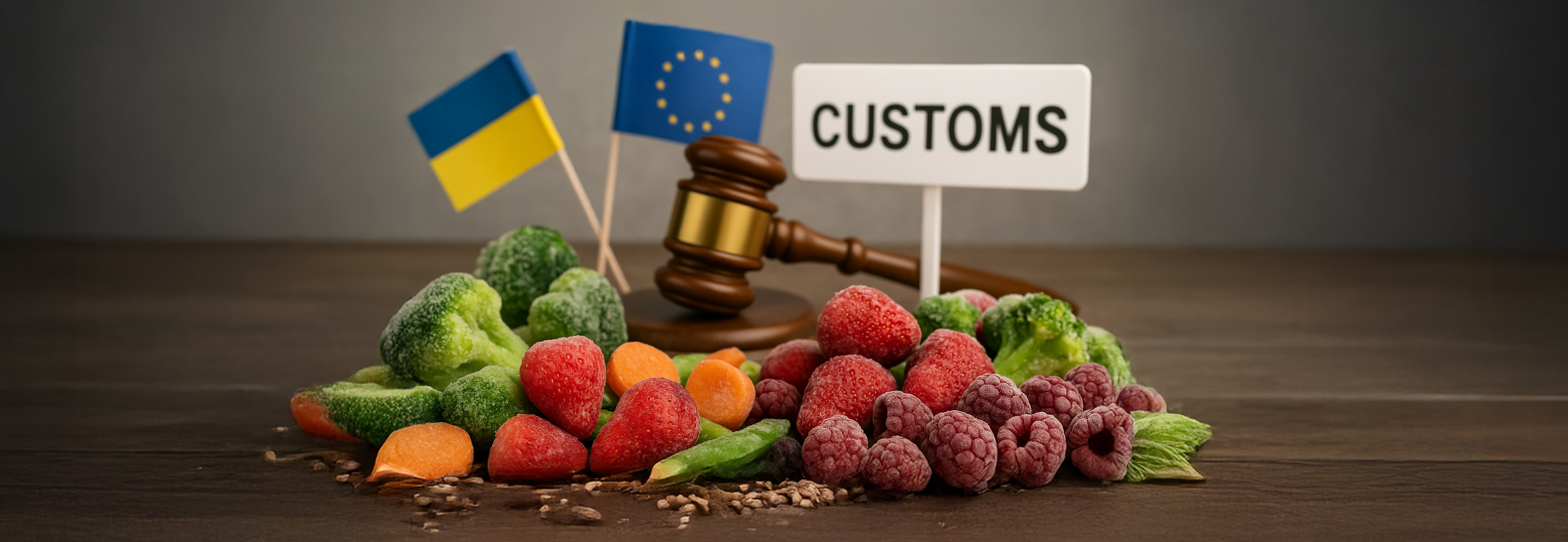
After 5 June 2025, the European Union will terminate the “trade visa-free regime” for Ukraine, which was introduced as temporary support following the start of the full-scale war. This decision could significantly impact the export of agricultural products, particularly frozen vegetables and berries.
Igor Usatyi, Sales Manager at the Tevitta brand, which exports up to 15,000 tonnes of products to the EU annually, shared his perspective on the situation:
“Frozen sweetcorn is also subject to new quotas. According to the updated terms, we are limited to just 1,000 tonnes, after which a tariff of 5.1% plus €94 per tonne will apply. Under such conditions, our product becomes uncompetitive compared to European goods,” Igor explains.
According to him, under these circumstances, Ukrainian frozen sweetcorn will be uncompetitive compared to products from EU producers. This is especially critical given that 99% of this product is exported to the European market. The largest importers are Germany, Poland, France, Belgium, Italy, and the Baltic countries. Exports to other regions — including the USA and Asia — are minimal due to high logistics costs and the presence of strong local producers such as India and China.
“The EU is our only truly viable market. And if quotas are indeed introduced, we will inevitably lose part of our business,” Igor noted.
At the same time, he says there is currently no cause for concern regarding other frozen vegetables: For instance, broccoli, cauliflower, and bell peppers are grown in limited quantities, mainly for the domestic market. These are not key export products, so no significant impact is expected.
However, Igor Usatyi warns of an important technicality: the specifics of submitting declarations in order to benefit from the quota. In this case, speed will be critical — those who submit the paperwork earlier will secure the right to duty-free import. Meanwhile, companies that import the goods on the same day but file later may miss the quota and be forced to pay tariffs.
“This creates risks: clients may reject the product even if it’s already in their warehouse. In such cases, we would have to re-import it back to Ukraine — and re-importing means extra costs, including transport and VAT, which is a serious burden for companies,” he explains.
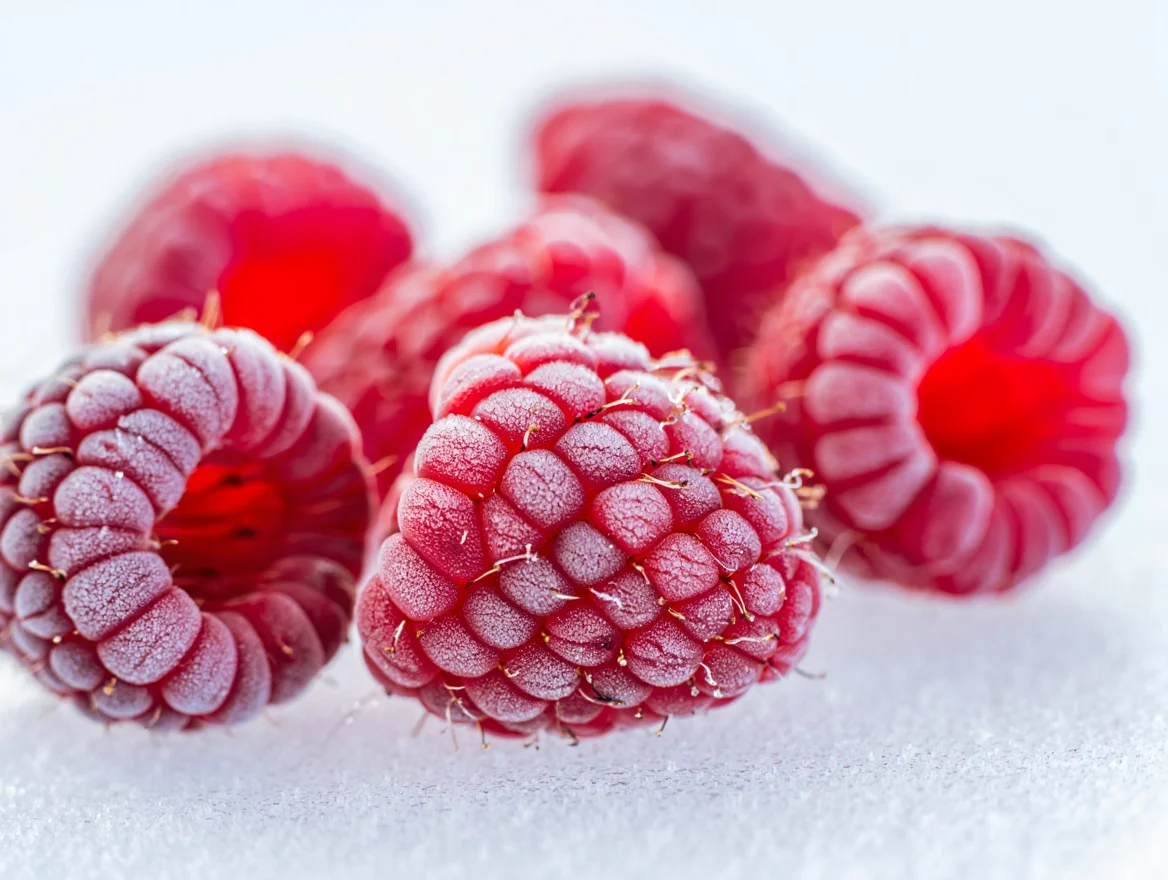
As for berries, there is currently no official information regarding quotas. However, if similar restrictions are introduced for this category, the consequences could be even more severe. Ukraine ranks among the top three berry exporters to the EU. In 2024, it became the largest supplier of raspberries to the European market. Blueberries, another key product, are traditionally exported not only to the EU but also to other global regions. Nevertheless, the European Union remains the main buyer.
“Over the past decade, we’ve significantly expanded our berry production. If restrictions are imposed, the entire sector will be hit hard,” says Igor Usatyi.
He notes that around 50 large berry producers operate in Ukraine, including organic growers. These companies rely heavily on exports to the EU. Any limitations could significantly affect both pricing and the overall health of the market.
“Both the end consumer in Europe and Ukrainian producers will suffer. The EU is likely to reduce its purchase volumes, and we will lose our key sales market. It will be particularly difficult for berry producers, as one in ten Ukrainian companies in this field receives funding from Europe — through government programmes in Germany, Switzerland, and others. These same countries are also the main buyers. It turns out that those supporting us are simultaneously creating new barriers to their own markets. We’ll see how the situation develops, but one thing is clear — it won’t be easy,” Igor adds.
The termination of the duty-free regime with the EU presents a serious challenge for Ukrainian exporters of frozen vegetables and berries. This is especially true for products focused exclusively on the European market, such as frozen sweetcorn and raspberries. At Tevitta, preparations are underway for potential restrictions, but the company urges decision-makers to consider the wider consequences — both for Ukrainian producers and for European end consumers.